Commercial Waste Removal in Greenwich
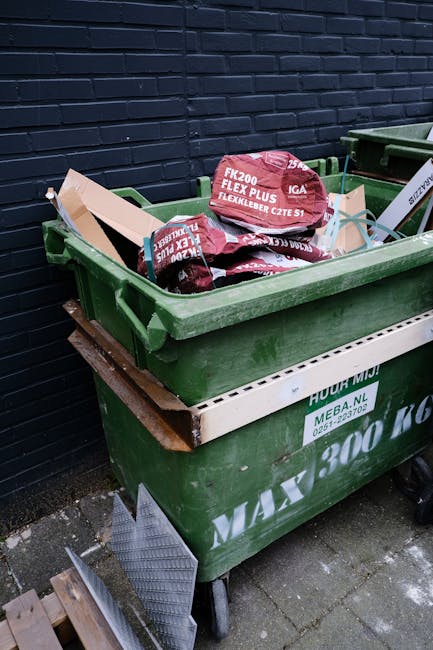
Commercial waste removal in Greenwich should be organised around the actual waste streams a business produces, the space available on site and the way collections need to fit around trading hours. Our service is designed for day-to-day business waste, bulky items, recyclable materials and clear-out projects that need a practical, tidy finish. Whether you manage a shop, office, hospitality venue or shared workspace, the aim is straightforward: keep waste moving off-site in a controlled way and leave the area ready for normal use again.
We handle business waste as a planned removal task rather than a one-size-fits-all clear-up. That means the load is considered in terms of volume, access, lifting requirements and how items should be separated before disposal. For many customers, the most useful outcome is a cleaner back-of-house area, an emptied storeroom or a site that is easier to keep compliant and organised. If you are comparing options, clarity about the waste type matters as much as speed. You can start with the materials that need moving and build the collection around that.
For a quotation, it helps to think about what you need removed, where it is stored and whether anything requires particular handling. A short list of items is usually enough to begin with, especially when the waste includes mixed office items, packaging, fixtures or redundant stock. If the work is straightforward, we can keep the process simple. If you already know the approximate amount, that is useful; if not, we can still discuss it.
Business Waste Collections for Daily Operations
Routine commercial waste removal is often about keeping the same spaces usable week after week. Offices may need old paperwork, archive boxes, desks, shelving or broken equipment moved away; retail premises may need cardboard, display items and stock-related waste cleared out; hospitality settings may need back-room clutter and general refuse handled in a more structured way. The best approach depends on access, segregation and how much disruption your team can tolerate while the collection takes place.
We can remove a wide range of non-hazardous business waste, including mixed items that have accumulated over time. Where useful, we separate recyclable material from general waste so the job is more organised and easier to manage. This is especially helpful when the collection involves varied contents rather than a single item type. For customers who want to understand the service in more detail, our business waste removal page is a sensible place to look before requesting a price.
Pricing for commercial collections is usually influenced by the amount to be removed, the type of waste, access to the load point and whether staff support is needed to move items from upper floors or inner rooms. When the site is awkward to reach, it can take a little longer to plan the safest route. Keep the enquiry simple and specific. A clear description of the waste and the location on site is often enough to begin.
Office, Retail and Workspace Clearance
Office and workspace clearances are often needed when layouts change, equipment is upgraded or storage areas become overloaded. In these settings, the waste is rarely just rubbish; it may include desks, chairs, filing units, monitors, broken peripherals, packaging and mixed loose materials. We focus on keeping the removal process orderly so useful items are not confused with waste and the remaining workspace is left easier to manage afterwards.
Retail and front-of-house environments may also need regular or one-off clearances when seasonal stock, displays or surplus fittings build up. A planned collection helps reduce clutter in storage rooms, staff areas and service corridors. If you are comparing pages on the site, the office clearance service explains a related type of work where desks, storage and workplace items are handled together. That can be useful when your commercial waste includes a larger clear-out rather than a simple collection.
To help prepare a quotation, it is useful to note whether the items are stacked, boxed or spread across several rooms, and whether lifts, stairs or narrow access points are involved. You do not need to prepare everything in advance, but a basic outline helps us match the job to the right approach. The more mixed the contents, the more important it is to explain what is there. That keeps the process practical and avoids unnecessary back-and-forth.
Heavy Items, Fixtures and Bulky Commercial Waste
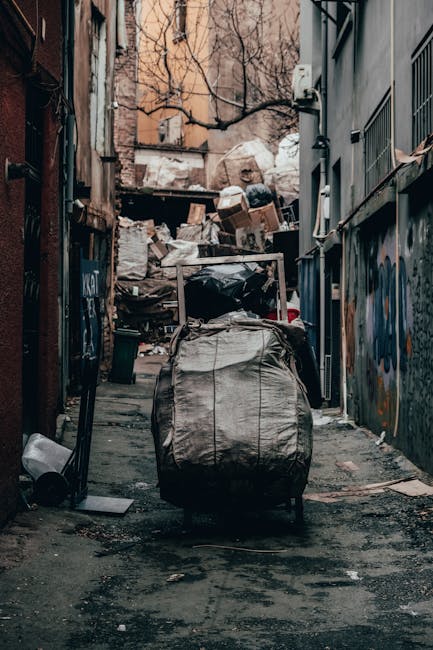
Some business waste is not ordinary bagged material but bulky or awkward items that need more careful movement. This can include old furniture, broken cabinets, display units, warehouse shelving and equipment that is no longer needed on site. These collections are usually best handled as a structured lift-and-load job so the items are removed safely and without unnecessary disruption to staff or customers.
Where businesses need help with larger items, it is often useful to group them by location and type before the collection. That makes it easier to assess how much needs moving and what the team will have to navigate on the day. If your waste is mainly furniture or fittings, the furniture disposal page gives a useful indication of a more item-specific service. For sofas, seats and similar bulky pieces, the related mattress and sofa disposal page may also be relevant.
With bulkier waste, the main factors are access, weight and whether items need to be dismantled before moving. Some objects can be carried out intact; others are easier to remove once loosened or broken down into manageable sections. We do not assume every site is straightforward, so the quotation stage should reflect the building layout as well as the contents. A precise enquiry makes it easier to plan the removal properly.
Recycling, Segregation and Responsible Disposal
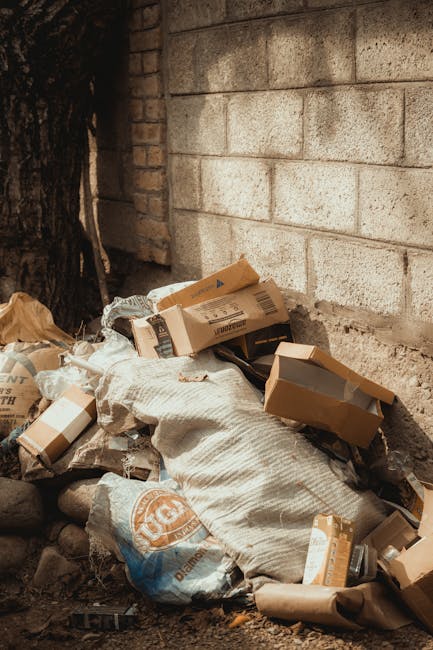
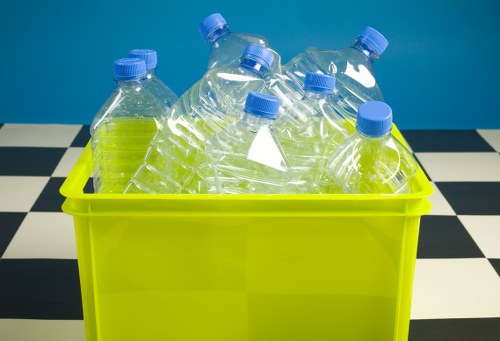
Commercial waste removal is not only about taking items away; it is also about deciding what belongs together, what can be separated and what should be processed through the right disposal route. Many workplaces generate a mixture of cardboard, plastics, metal, wood, paper and general residual waste. When these streams are identified early, the collection can be organised more efficiently and with less confusion at the point of removal.
Our approach supports better sorting where the contents and site conditions allow it. Mixed loads can still be managed, but separating obvious recyclables is often the cleaner option. If sustainability is part of your decision-making, the recycling and sustainability page offers a useful related overview. For customers who want practical guidance on the wider service, the waste removal page is another relevant destination because it sits close to the core service offered here.
Responsible disposal also depends on what cannot be mixed with ordinary commercial waste. Some materials require separate handling, while others may need special checks before collection. Rather than making assumptions, it is better to name anything unusual in advance. This is especially important when the load contains sharp parts, liquids, contaminated material or items with electrical components. A more detailed description lets the service be planned around the real contents.
Commercial Waste That Needs Special Care
Some business waste falls outside standard mixed removal because it needs extra care before it can be taken away. This may include items with hazardous properties, broken appliances, confidential materials or equipment that should be handled separately from ordinary office or premises clearances. In these cases, the right approach depends on what the material is, how it has been stored and whether there are any handling concerns that need to be addressed first.
Where relevant, we can discuss collections that involve special categories of waste rather than treating them as ordinary rubbish. For example, the hazardous waste disposal page is relevant if the items are not safe to place in a general business load, while the confidential shredding page is useful where records or sensitive papers need a separate process. If your waste includes electrical items, the fridge and appliance removal page may also be worth checking.
For jobs in this category, the key is to describe the contents as accurately as possible. It is better to mention uncertainty than to leave out details that affect handling. If items are sealed, labelled or stored in a designated room, say so. That helps determine whether the collection can proceed as a normal removal or whether a more specific disposal route is required. In short, accuracy saves time and keeps the service suitably matched to the waste.
How to Prepare a Commercial Waste Enquiry

The most useful enquiries are usually the simplest ones: what needs removing, where it is, and whether there are any access issues. Photographs can help when the load is mixed, bulky or spread across several rooms, but they are not the only way to begin. A short inventory is also helpful if you already know the items by category. Either way, the goal is to make the collection easy to picture before anyone attends the site.
When you prepare the request, it helps to note whether the waste is in a basement, upper floor, loading bay, yard or storage area, and whether parking or entry arrangements matter. If the premises are shared, it is sensible to explain the timing restrictions as well. For a straightforward route to arranging the job, you can use our pricing and quotes page, or go directly to contact us if you are ready to request a quotation.
To keep things efficient, try to separate items that should stay on site from those that are ready for removal. That is particularly useful in offices, warehouses and retail back rooms where equipment, packaging and surplus stock can sit together. A bit of preparation does not need to be elaborate. It simply gives the quotation enough detail to reflect the real job rather than a rough guess.
Additional Services for Premises and Project Clearances
Commercial waste removal sometimes forms part of a wider site clearance. A business may be finishing a lease, reconfiguring a premises or clearing several spaces at once, and the waste then includes a broader mixture of items than a normal collection. In those cases, a service that deals with the whole area can be more practical than removing individual objects in isolation.
Related services on the site can be useful where the waste type is more specific. The builders waste clearance page suits works involving rubble, offcuts and renovation debris, while the garage clearance page is useful where storage spaces contain accumulated business items. If the job is more general and includes a mix of household-style and commercial contents, the home clearance and house clearance pages provide related examples of clearance work that may overlap with some business situations.
Where items are being removed as part of a changeover, it is sensible to decide in advance what is waste and what is staying in place. That keeps the collection accurate and avoids unnecessary handling on the day. Good preparation is mostly about separating categories, not creating a complex plan. If the job combines bulky items, mixed waste and access challenges, explain that in one clear message rather than in several fragments.
About Greenwich
Greenwich is a historic district in south-east London on the south bank of the River Thames, long associated with maritime history, river crossings and royal connections. Its identity is shaped by the riverfront, the former naval and dockyard landscape, and the green open space of Greenwich Park rising above the central streets. The park is one of the area’s defining features, offering views across the Thames and towards the city, and it sits close to the Royal Observatory, a landmark tied to timekeeping and global navigation. The wider district also includes the National Maritime Museum, the Old Royal Naval College and the domed silhouette of the Painted Hall, all of which help explain why Greenwich is recognised as both a living neighbourhood and a place of major historical interest. The river remains central to the geography of the area, with the Cutty Sark nearby as a reminder of sailing and trade, while the foot tunnel and ferry links underline the long-standing relationship between the north and south banks. Beyond the famous monuments, Greenwich has everyday streets, markets, residential squares and civic buildings that give it a layered urban character. Its heritage is not confined to one date or one period; instead, it combines medieval origins, royal patronage, Georgian and Victorian development, and continuing modern use. That mixture of built history, public open space and river frontage makes Greenwich one of London’s most distinctive districts.
Collections for Landlords, Managing Agents and Businesses Moving On
Some commercial waste removal work is tied to change of use, refurbishment or the end of a tenancy. In those situations, the collection may include abandoned furniture, loose refuse, old office fittings, packaging, filing materials and general clutter left behind after occupants have gone. The aim is to leave the space clear enough for inspection, cleaning, handover or further works.
If you are dealing with a premises that needs a more complete emptying, the flat clearance and loft clearance pages may be relevant where the site contains mixed stored contents, while the furniture clearance page is useful when the main concern is moving bulky items out quickly and tidily. For customers with garden storage or exterior waste, the garden clearance page can also be a helpful reference, though commercial jobs usually need their own access and timing considerations.
When a business is moving on or reducing its footprint, the most important thing is to match the removal to the actual condition of the site. A room-by-room list, a note about what must remain, and a basic sense of timing are often enough to start the process. If you are ready to request a quotation, send the details through and we will help shape the collection around the waste you need removed.