Commercial Waste Removal Greenwich — Insurance & Safety for an Insured Rubbish Company
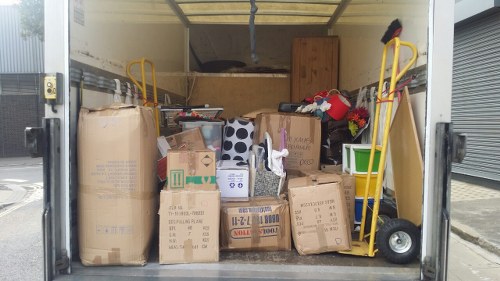 Commercial Waste Removal Greenwich companies operating as an insured rubbish company must demonstrate more than punctual collection and lawful disposal. Clients and regulators expect a clear safety and insurance framework that reduces liability, safeguards staff and protects customer premises. This page outlines the insurance cover, staff training, personal protective equipment (PPE) standards and the practical risk assessment process we apply when acting as a trusted insured rubbish removal company.
The right insurance portfolio shows a company's commitment to accountability. When you select an insured waste removal provider, you choose a contractor that carries public liability insurance, employer's liability and, where appropriate, environmental liability. These policies are designed to cover accidental property damage, third-party injury and clean-up costs that may arise during commercial clearances in Greenwich and surrounding areas. An accredited insured rubbish contractor also maintains detailed certificates and renewal records as part of operational transparency.
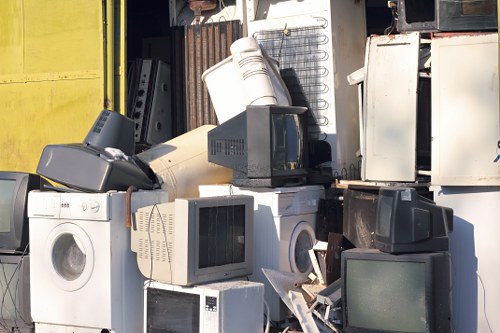 A robust insurance position is supported by clear procedures. Our approach to being an insured commercial waste carrier includes documented incident reporting, third-party claims handling and a designated insurance liaison who manages queries from clients or local authorities. We emphasise that insurance is not a substitute for safe practice but a critical backstop: prevention through training and systems comes first, with insurance providing financial protection if things go wrong.
Public Liability Insurance — What It Covers and Why It Matters
Public liability insurance is the cornerstone of any reputable insured rubbish removal company. It covers: damage to client property during clearance, injuries to visitors or members of the public caused by waste operations, and legal costs arising from claims. In commercial environments such as offices, retail units or construction sites in Greenwich, a insured waste removal firm must have limits appropriate to the scale of work — typically reported on policy documents and made available on request.
 In practice, public liability works alongside employer's liability (for workforce injuries) and motor insurance (for vehicle-related incidents). A truly professional Greenwich insured rubbish removal business will also carry pollution liability if they transport potentially hazardous materials. These layers of cover are critical for protecting client assets and reputation while enabling the insured rubbish company to respond quickly and responsibly to unforeseen incidents.
Insurance is only meaningful when coupled with competent people. That is why staff training and competency records form an integral part of our compliance framework. We adopt a continuous learning model: initial induction, periodic refresher courses, and task-specific certifications ensure every operative understands the risks and how to mitigate them.
Staff Training, PPE and the Risk Assessment Process
 Staff training for an insured rubbish contractor covers safe handling, manual handling techniques, hazardous waste recognition, traffic management for vehicle movements and customer site etiquette. Training is delivered through a mix of classrooms, on-site shadowing and practical drills. Records of training are maintained for audit and insurance compliance, showing that training is current and relevant to the duties carried out.
The use of appropriate PPE is non-negotiable. All operatives working for an insured commercial waste carrier must wear the correct PPE for the task: high-visibility clothing, safety boots, gloves, eye protection and respiratory protection where dust or fumes are present. Supervisors conduct PPE checks before every shift and ensure replacement items are available to maintain safety standards.
 The risk assessment process is a step-by-step method that underpins safe operations. Key elements include:
- Site survey: identify access routes, loading points, pedestrian flow and potential hazards.
- Hazard identification: classify waste types, identify sharp objects, liquids or hazardous materials.
- Control measures: define segregation, containment, manual handling protocols and traffic management.
- Toolbox briefings: daily briefings to communicate specific risks and any changes to the standard plan.
- Emergency procedures: clear steps for spill response, first aid and incident escalation.
Implementation and Continuous Improvement
Implementing the risk assessment includes documented method statements, supervision and periodic reviews. After each project, the insured waste removal team conducts a debrief to record lessons learned and adjust procedures. These updates inform insurance renewals and support claims management by demonstrating that the insured rubbish company actively reduces future risk.
In summary, the responsible Commercial Waste Removal Greenwich provider combines comprehensive public liability insurance with rigorous staff training, enforced PPE standards and a transparent risk assessment process. This integrated approach keeps people safe, protects property and ensures the insured rubbish removal company meets regulatory expectations while delivering dependable, professional waste removal services in Greenwich and beyond.
