Health and Safety Policy for Commercial Waste Removal Greenwich
 Purpose and scope: This policy sets out the health and safety approach for commercial waste removal operations delivered by our rubbish company service in the designated service area. It applies to all staff, subcontractors and authorised visitors involved in commercial waste collection, transfer and disposal activities. The aim is to minimise risk of injury, ill health and environmental harm while ensuring compliant, efficient removal of business waste and commercial rubbish from sites such as retail, office and light industrial premises.
All personnel engaged in commercial waste collection and rubbish removal must follow the standards and procedures contained here and in associated risk assessments. Key objectives include preventing accidents, controlling hazardous exposures, and maintaining safe vehicle and manual handling practices. This policy is aligned with recognised good practice for waste management companies and forms the basis for ongoing health and safety improvement across the service area.
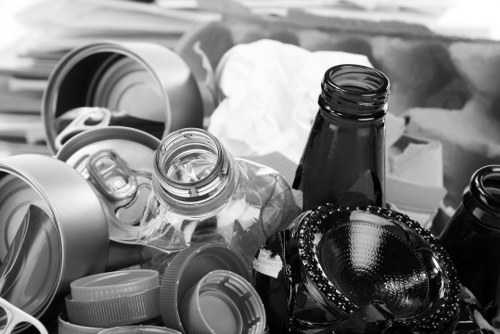 Responsibilities: Management is responsible for establishing and resourcing safe systems of work, providing training, and ensuring statutory duties are met. Supervisors must ensure task-specific briefings, site assessments and correct use of personal protective equipment. Employees have a duty to follow instructions, report hazards and incidents, and use equipment correctly. Contractors and third-party providers involved in commercial skip hire, bin collection or hazardous waste removal are expected to comply with the same safety requirements and site rules.
Risk Assessment and Control Measures
Risk assessments identify hazards associated with collection points, vehicle movements, manual handling and waste types, including mixed commercial refuse, bulky waste and segregated recyclables. Controls follow the hierarchy of risk control: elimination, substitution, engineering controls, administrative measures and personal protective equipment. Examples include dedicated loading zones, mechanical lifting aids, secure containment of sharps or hazardous materials, and clear segregation to reduce contamination risks during removal.
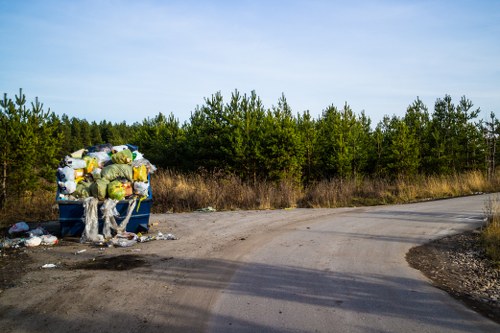 Safe vehicle operation: Vehicles used for commercial waste removal must be maintained to a high standard with daily pre-shift checks and documented servicing. Drivers and loaders are trained in safe loading, vehicle stability and reversing protocols. All mobile operations must implement exclusion zones and use spotters where visibility is restricted. Fuel, battery and hydraulic systems are inspected for leaks and safe refuelling procedures are enforced to prevent fires or spills.
To support safe waste handling, the company provides appropriate PPE such as high-visibility clothing, gloves, safety boots, eye protection and respiratory protection when required. Employees must wear PPE correctly and report any faults. Regular competency checks ensure that operatives engaged in commercial rubbish removal maintain skills for safe manual handling, use of compactors and operation of tail-lifts.
Operational Procedures and Training
The company delivers structured induction and refresher training covering site risk controls, hazardous waste awareness, incident reporting and emergency response. Training is documented and updated in response to operational changes. Supervisors conduct toolbox talks and job-specific briefings for complex collections, including clinical waste, electronic waste and construction-related commercial refuse.
Key procedural elements include:
- Pre-task risk assessment and permit-to-work where required
- Safe manual handling techniques and use of mechanical aids
- Segregation and secure storage of hazardous items
- Clear procedures for spill control and contamination prevention
These controls are reviewed regularly to incorporate lessons from incidents and regulatory changes and to reflect evolving service requirements for commercial waste collection.
 Incident reporting and investigation: All injuries, near misses and environmental releases must be reported immediately through company procedures. Incidents are investigated to identify root causes and corrective actions. Findings are shared with staff to prevent recurrence. Remedial measures include retraining, procedural updates and engineering modifications. Records of accidents and health surveillance are maintained to meet legal obligations and to support continuous improvement.
Health and welfare: Employees involved in waste removal activities are offered appropriate health surveillance where risks are identified, such as when handling biological or chemical hazards. Welfare provisions for drivers and crews include access to first aid, rest facilities and clear procedures for fatigue management. The employer promotes mental health awareness and supports staff with access to confidential advice when needed.
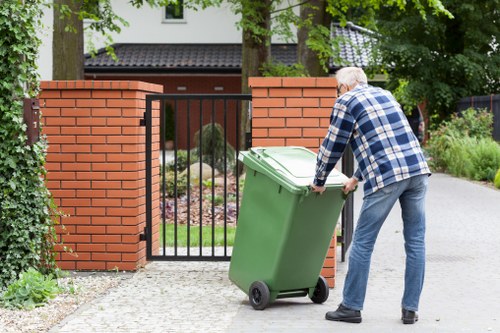 Emergency response and business continuity: Emergency plans cover fire, spill response, medical emergencies and vehicle incidents. Crews are trained in first response actions and the use of spill kits and fire extinguishers. Continuity arrangements ensure that critical commercial rubbish collection and waste transfer operations can be maintained or safely suspended during severe weather, incidents or major disruptions, protecting both staff safety and client premises.
Monitoring, review and compliance: The company conducts regular safety audits, vehicle inspections and performance reviews to ensure compliance with this policy. Safety performance indicators include incident rates, near-miss reporting frequency and audit outcomes. External inspections and contractor oversight are part of the assurance process. Management commits to reviewing this policy annually or sooner if operational or regulatory changes require updates.
Conclusion: This health and safety policy provides a framework for safe commercial waste removal and rubbish collection within the service area. By adhering to risk-based controls, investing in training and maintaining open reporting and review systems, the organisation seeks to protect employees, contractors, clients and the environment while delivering reliable commercial waste services.
Signed: Management
