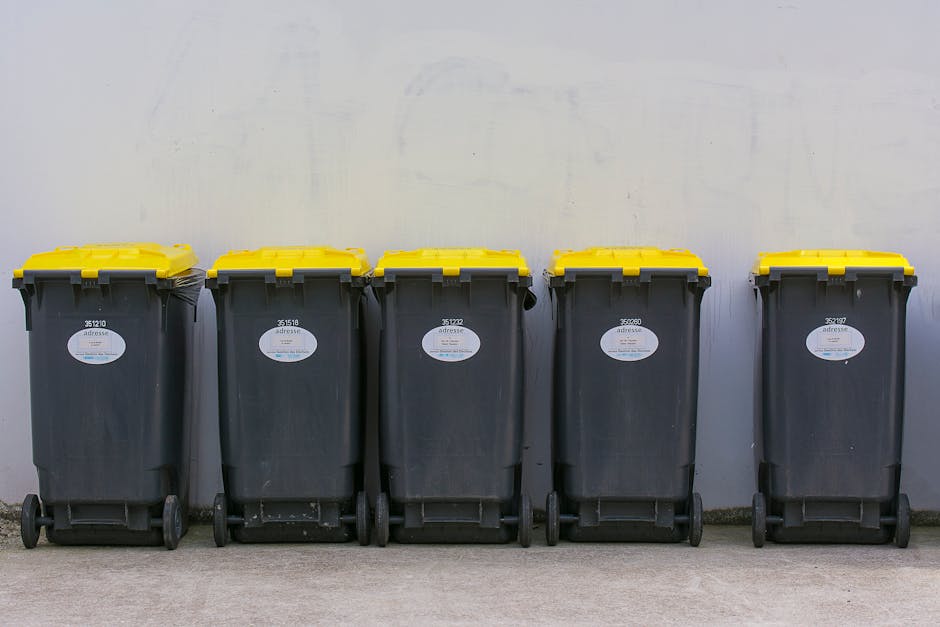
Rubbish collection for properties on Greenwich High Road SE10
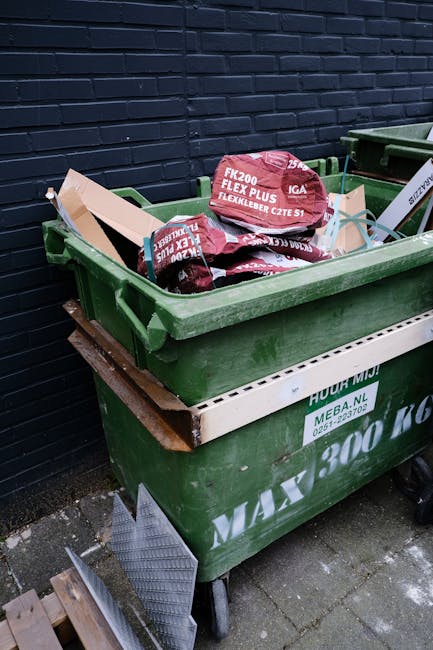
If you live, work, or manage a property on Greenwich High Road SE10, rubbish has a way of turning from a minor nuisance into a proper headache. One missed collection, one bulky item left in a hallway, one overfilled bin bag by the side entrance-and suddenly the whole place feels untidy, harder to use, and a lot less welcoming. This guide explains Rubbish collection for properties on Greenwich High Road SE10 in clear, practical terms: how it works, what to expect, what good service looks like, and how to avoid the common mistakes that make waste removal more stressful than it needs to be. Truth be told, most people do not need jargon. They need a straightforward way to get the job done without drama.
Whether you are dealing with a flat, a shop, a shared house, an office, or a mixed-use property, the right collection setup saves time, reduces mess, and helps you stay on top of safety and compliance. And yes, it can be surprisingly simple when the process is organised properly.
- Why it matters
- How it works
- Key benefits
- Who needs this service
- Step-by-step guidance
- Expert tips
- Common mistakes to avoid
- Tools, resources and recommendations
- Law, compliance, standards and best practice
- Options and comparison
- Case study example
- Practical checklist
- Conclusion
- Frequently asked questions
Why Rubbish collection for properties on Greenwich High Road SE10 Matters
Greenwich High Road is a busy stretch. There is foot traffic, deliveries, shopfronts, shared entrances, and the usual London rhythm of people coming and going all day. In that kind of environment, waste is not just "something to get rid of". It affects appearance, access, hygiene, and sometimes even neighbour relations. A bag left out for too long can attract attention fast. A pile of packaging in a bin store can block access. A bulky item left on the pavement can create a safety issue or, at minimum, a very grumpy phone call from someone who is fed up seeing it every time they come home.
That is why rubbish collection for properties on Greenwich High Road SE10 matters so much. It keeps communal spaces usable. It helps businesses present well. It lowers the risk of pests, odours, and trips or obstructions. For landlords and managing agents, it also helps avoid complaints that snowball into bigger management problems.
Key point: waste handling is easiest when it is planned, regular, and matched to the property type. A small flat above a parade of shops needs a very different approach from a full office or a building with regular refurbishments.
Expert summary: the best rubbish collection setup is the one that fits the building, the access, and the type of waste being produced. Not the flashiest option. Not the cheapest on paper. The one that actually works on the ground.
How Rubbish collection for properties on Greenwich High Road SE10 Works
At a practical level, rubbish collection starts with three questions: what needs removing, how much there is, and how quickly it needs to go. Once those are clear, the rest becomes much easier to organise. For properties on or around Greenwich High Road SE10, access can be the deciding factor. Tight stairwells, limited parking, shared entrances, and loading restrictions can all affect the method used.
Most collections fall into one of these broad patterns:
- Regular household or business waste removal for ongoing rubbish, recycling overflow, or routine clear-outs.
- Bulky item collection for furniture, mattresses, appliances, or awkward single items.
- One-off clearance for end-of-tenancy, refurbishments, office changes, or post-event tidy-ups.
- Specialist disposal for items that need careful handling, such as fridges, confidential materials, or certain hazardous items.
What happens next is usually simple. A collector assesses the waste type, identifies any access issues, and gives a price or estimate based on volume, weight, labour, and disposal requirements. After that, the team arrives, loads the waste, and takes it away for sorting, recycling, treatment, or disposal where appropriate. A decent provider will also separate recyclable material where possible rather than treating everything as general rubbish. That part matters more than people sometimes realise.
If your property has an unusual layout-say, a basement flat with narrow access or a rear service entrance shared with other tenants-mention that early. It saves time, reduces surprises, and avoids the dreaded "oh, we didn't realise there were stairs like that" moment. We have all seen that one.
What usually affects the collection process
- Volume of waste
- Type of waste, including bulky or specialist items
- Parking and loading access
- Floor level and stair access
- Whether items need dismantling
- How quickly the property needs clearing
- Any recycling or segregation requirements
In other words, the cleaner the brief, the smoother the job.
Key Benefits and Practical Advantages
Good rubbish collection is not just about removing clutter. It solves a chain of small problems before they grow legs. You will notice the difference almost immediately in shared spaces and around entrances. The area feels calmer. Easier to manage. Less sticky, if that makes sense. And yes, it does make a difference to how a property is perceived.
1. Cleaner, safer surroundings
Rubbish bags stacked in corridors, old furniture in stairwells, and broken appliances in back areas all create avoidable risks. A reliable collection service helps reduce blocked routes, unpleasant odours, and the chance of vermin activity. That is especially useful where residents, customers, or staff pass through all day.
2. Better property presentation
If you manage a building or let out a unit, first impressions matter. A tidy entrance or clean loading area is far more reassuring than an overflowing bin store. Small detail, big effect.
3. Less stress for tenants, owners, and managers
People usually do not complain about waste because they enjoy the topic. They complain because it becomes visible and annoying. An organised collection approach removes one of the more preventable sources of friction in a building.
4. More responsible disposal
Good waste contractors do not just haul everything away and hope for the best. They should sort items properly, recycle where possible, and handle specialist waste in line with the right standards. That matters for both environmental and practical reasons.
5. Flexible help for one-off jobs
Sometimes you do not need a permanent waste arrangement. You just need one heavy lift, one awkward clear-out, one "how did we accumulate this much stuff?" moment to be handled quickly. A well-run collection service is ideal for those jobs.
Useful takeaway: the real value is not the rubbish leaving. It is the time, space, and mental bandwidth you get back once it has gone.
Who This Is For and When It Makes Sense
This kind of collection is useful for a wide range of properties on Greenwich High Road SE10. The obvious cases are flats and houses, but the need often shows up in more varied places too.
- Flat owners and tenants dealing with bulky waste, old furniture, or end-of-tenancy clear-outs.
- Landlords who need a property made ready for viewings, repairs, or new occupants.
- Managing agents handling bin stores, communal clearances, or problem items left in shared areas.
- Retail and hospitality businesses with packaging, broken fittings, old display items, or periodic deep-clear waste.
- Offices replacing furniture, clearing storage, or disposing of documents and equipment.
- Builders and refurbishment teams dealing with debris, packaging, and strip-out waste.
It makes sense when waste starts to affect how the property is used. That might be because it is physically in the way, or because it is quietly draining time and attention. Sometimes both. A small office with a corner full of old chairs and broken boxes can look "nearly sorted" for weeks. In reality, it is just not sorted yet.
For mixed-use buildings, rubbish collection can also be the difference between the commercial side looking professional and the residential side feeling ignored. That balance is a bit delicate, to be fair, and it is easy to get wrong if no one owns the process.
Step-by-Step Guidance
If you are organising rubbish collection for a property on Greenwich High Road SE10, a methodical approach saves hassle. Here is a clean, practical way to handle it.
- Identify what needs removing. Make a quick list. General waste, furniture, appliances, building debris, mixed rubbish, or something specialist?
- Check access. Think about stairs, narrow corridors, parking, loading points, and any time restrictions.
- Estimate volume. A few bin bags is not the same thing as a half-filled room of broken items. Photos help enormously here.
- Separate reusable, recyclable, and general waste where possible. That keeps the job tidier and can reduce disposal complexity.
- Flag anything unusual. Fridges, confidential papers, paint, electricals, or other special items need to be identified early.
- Book the right collection window. If the area is busy, early morning or quieter off-peak timings may work better.
- Clear the route. Move obstacles, protect floors if needed, and make sure the team can access the waste without delay.
- Confirm what should happen to each waste type. Recycling, disposal, and specialist handling should all be understood in advance.
- Review the result. Once the waste is gone, check that no small items, packaging, or debris were left behind.
That may sound obvious, but the "small" stuff is what creates callbacks. A missed sweep of screws, cables, or packaging can make a job feel half-finished. And nobody enjoys that feeling on a wet Wednesday afternoon.
Quick scenario
Imagine a top-floor flat near Greenwich High Road where a tenant is moving out. There are two wardrobes, a mattress, a few bagged items, and a broken desk. If the access is tight, the team may need to dismantle some pieces before removal. If that is discussed upfront, the collection is smooth. If it is not, the job can drag. Simple really.
Expert Tips for Better Results
A good collection is not just about ordering the service. A few practical habits make the whole process cheaper, tidier, and less stressful.
Take clear photos before booking
This is one of the easiest ways to get an accurate quote and avoid misunderstandings. Take wide shots and close-ups if there are unusual items. If there is a hidden loft pile or a back room full of packaging, include that too.
Group similar items together
It helps the team assess the job and often makes loading faster. Furniture together. Bagged waste together. Electricals together. Nothing fancy, just organised.
Be honest about access
If parking is awkward, say so. If the property is up three flights of stairs, say so. A realistic brief is always better than a rosy one. The van can only park where the van can park. London has a way of reminding everyone of that.
Ask how waste is handled
For peace of mind, it is sensible to ask what happens after collection. A professional provider should be able to explain general sorting, recycling, and specialist disposal in plain English.
Use collection timing to your advantage
If your property is on a busy stretch, timing matters. Early morning can sometimes be easier for loading. Midday may be less convenient. A tiny detail, but useful.
Keep a running waste log for shared buildings
If you manage multiple units, note recurring waste patterns. You may spot that cardboard builds up after deliveries, or that one area produces bulky waste after tenant changeovers. That makes planning easier next time.
Little things add up. They really do.
Common Mistakes to Avoid
Most collection problems are preventable. The same mistakes crop up again and again, usually because people are trying to save time and end up creating more of it later.
- Underestimating the amount of waste. A few extra items can change the job size more than you think.
- Mixing specialist items with general rubbish. Fridges, electricals, and certain waste types need separate handling.
- Ignoring access problems. Tight entrances, stairs, and parking restrictions matter.
- Leaving waste unbagged or scattered. Loose items take longer to handle and may create mess.
- Booking too late. If the waste is already causing disruption, waiting another week is rarely a good plan.
- Not checking what is excluded. Some services will not accept every item type, or may need advance notice.
- Forgetting communal impact. In shared buildings, one person's mess becomes everyone's inconvenience very quickly.
One more thing: do not assume "it's only a couple of things" means the job will be tiny. A single bulky item in a narrow stairwell can be more awkward than a neat stack of smaller bags. Funny how that works.
Tools, Resources and Recommendations
You do not need a warehouse full of gear to organise rubbish collection well, but a few simple tools make life easier.
- Phone camera for before-and-after photos and quote requests.
- Basic measuring tape if you need to check whether large items will fit through doorways or lifts.
- Sturdy sacks or boxes for sorting smaller items.
- Labels or notes for separating reusable, recyclable, and general waste.
- Protective gloves when moving sharp, dusty, or dirty items.
- Floor protection for properties with delicate surfaces or shared access routes.
For services related to rubbish collection for properties on Greenwich High Road SE10, the following site pages may also be useful depending on the kind of waste you are dealing with:
- general waste removal options
- house clearance support
- flat clearance help
- office clearance services
- furniture disposal guidance
- fridge and appliance removal
- hazardous waste disposal
- recycling and sustainability
- pricing and quotes
- book online
If you are comparing services, start with the type of rubbish first, then match the provider to that need. A team that handles office clearances well may be perfect for one job, while a bulky home clearance may call for a different mix of labour and disposal options.
Law, Compliance, Standards, or Best Practice
Waste collection in the UK is one of those areas where basic good practice matters a great deal. You do not need to become a legal specialist to make sensible choices, but you should know the broad expectations. Waste should be handled responsibly, transferred appropriately, and taken to the right facilities for sorting, recycling, or disposal. If you are a landlord, manager, or business owner, you also have a practical duty to avoid creating hazards for occupants and visitors.
For commercial or mixed-use properties, extra care is sensible around:
- Duty of care for waste handling and transfer
- Segregation of recyclable material where practical
- Special handling for electricals, fridges, and potentially hazardous items
- Confidential materials that should be destroyed securely
- Safe access to avoid blocked walkways, trip hazards, or manual handling injuries
If your premises produce waste tied to trades, refurbishments, or office changes, best practice is to keep clear notes on what was removed and when. It is not glamorous, but it is helpful if questions come up later. A tidy paper trail can save a lot of faff.
Also, if staff or contractors are moving items through common areas, health and safety should not be an afterthought. Careful lifting, clear routes, and realistic timing are all part of doing the job properly. Not exciting, perhaps, but very important.
For more detail on how a reputable provider approaches safety and trust, you may also find insurance and safety information and the health and safety policy helpful, especially for managed properties and business sites.
Options, Methods, or Comparison Table
Different properties need different waste solutions. Here is a simple comparison that can help you decide which route fits best.
| Method | Best for | Strengths | Watch-outs |
|---|---|---|---|
| Regular collection | Ongoing household or business rubbish | Predictable, tidy, easy to manage | May not suit bulky one-off items |
| One-off rubbish removal | Clear-outs, moves, or clean-ups | Fast, flexible, good for mixed loads | Needs clear access and accurate briefing |
| Bulky item collection | Furniture, mattresses, appliances | Useful for awkward large items | Some items need special handling |
| Specialist disposal | Fridges, confidential waste, hazardous materials | Safer and more compliant | Requires advance notice and correct categorisation |
| Project clearance | Refurbs, office moves, tenancy changes | Handles larger mixed volumes | Often depends on labour and access conditions |
As a general rule, if the waste is routine and predictable, keep the solution simple. If it is bulky, mixed, or awkward, go with a service that is built to handle that kind of load. Trying to force a bad fit usually costs more in the end.
Case Study or Real-World Example
A small mixed-use property near Greenwich High Road had a recurring issue with waste building up behind the rear entrance. Nothing dramatic at first-just cardboard from deliveries, a few broken office chairs, and some leftover packaging from a tenant fit-out. But over a few weeks it started to look untidy, then messy, then slightly embarrassing. The managing agent did what many people do: waited a bit too long, hoping it would sort itself out. It didn't, obviously.
When the waste was finally cleared, the team split the load into categories, removed the bulky items separately, and dealt with the cardboard and mixed rubbish in a way that kept the process tidy. The real win was not only the cleared space. It was the reset. Deliveries became easier again. Residents stopped complaining. The entrance looked normal instead of neglected. Small victory, but a real one.
That sort of situation is common on busier roads. Waste sneaks up on you. One week it is "temporary storage", the next week it is part of the scenery. And nobody wants that.
Practical Checklist
Use this checklist before arranging rubbish collection for a property on Greenwich High Road SE10:
- Identify every waste type that needs removing
- Separate bulky, recyclable, and specialist items
- Take clear photos of the waste and access route
- Check stairs, lifts, parking, and loading access
- Measure any items that may be awkward to move
- Confirm whether anything requires special handling
- Choose a collection time that suits the property
- Protect floors or shared surfaces if needed
- Make sure occupants or staff know the collection window
- Ask what happens to the waste after collection
- Review the cleared area once the job is done
If you can tick most of those off, you are in good shape. If not, take five minutes and sort the gaps first. It really does make a difference.
Get a free quote today and see how much you can save.
Conclusion
Rubbish collection for properties on Greenwich High Road SE10 is easiest when it is treated as a practical property-management task, not an afterthought. The right approach keeps entrances clear, helps buildings stay presentable, reduces safety issues, and makes life simpler for everyone who uses the space. Whether you need a one-off clear-out or ongoing support, the key is to match the method to the property, the waste, and the access conditions.
That is the real difference between a job that feels chaotic and one that feels under control. A little planning goes a long way. And once the waste is gone, you usually notice something simple: the place feels easier to breathe in.
If you are weighing up your options, take the time to compare what is being removed, how quickly it needs to go, and what level of support will actually make life easier. The best result is not just an empty space. It is a property that feels looked after.
Frequently Asked Questions
What does rubbish collection for properties on Greenwich High Road SE10 usually include?
It can include general rubbish, bulky items, furniture, appliances, office waste, clearance loads, and certain specialist items where the provider is equipped to handle them. The exact scope depends on the property and the waste type.
Is this service suitable for flats as well as houses?
Yes. In fact, flats often benefit from organised collection because access, shared bins, and communal areas can make waste more awkward to manage. Houses, apartments, and converted buildings can all be covered.
How do I know if I need a one-off clearance or a regular collection?
If the waste is a temporary build-up from a move, refurbishment, or clear-out, one-off clearance is usually the better fit. If rubbish is produced continuously, a regular collection setup is normally more practical.
Can bulky furniture be taken away?
Usually yes, provided the provider accepts the items and the access route allows safe removal. Wardrobes, sofas, tables, and mattresses are common examples, though dismantling may be needed sometimes.
What should I do before booking a collection?
Gather photos, note the waste type, check access, and identify anything unusual such as fridges, sharp items, or confidential material. That makes quotes more accurate and the job easier on the day.
Do I need to sort recycling before collection?
It helps, especially with cardboard, metal, and some plastics. Some providers will sort during the process, but pre-sorting can reduce confusion and improve the flow of the job.
What if the property has tight stairs or no easy parking?
Tell the provider upfront. Access issues affect timing, labour, and sometimes cost. Honest detail early on is always better than surprises on arrival.
Can office waste or confidential papers be collected?
Yes, but confidential materials should be handled securely. If papers contain sensitive information, ask about confidential shredding rather than mixing them into general waste.
How quickly can rubbish be collected?
That depends on demand, the size of the job, and how complex the waste is. Smaller collections can often be arranged faster than larger or specialist clearances.
What happens to the waste after it is collected?
Good practice is for waste to be sorted for reuse, recycling, or disposal at the correct facility. The exact path depends on the material, but responsible handling should always be part of the service.
Are there extra rules for commercial properties?
There can be, particularly around duty of care, segregation, and health and safety. Businesses and managing agents should keep records and make sure waste is not causing hazards in shared areas.
How do I choose the right provider?
Look at what they remove, how they describe their process, whether they explain access and disposal clearly, and whether their services fit your property type. A straightforward, transparent approach is usually the best sign.
Can rubbish collection help after a tenancy change or move-out?
Absolutely. That is one of the most common reasons people use it. It is useful for leftover furniture, bin bags, broken items, and anything that needs clearing before the next occupant arrives.
What is the biggest mistake people make with waste collection?
Probably waiting too long and underestimating the amount of waste involved. A small-looking pile can grow into a much bigger job once you start moving it. Better to plan early than scramble later.